
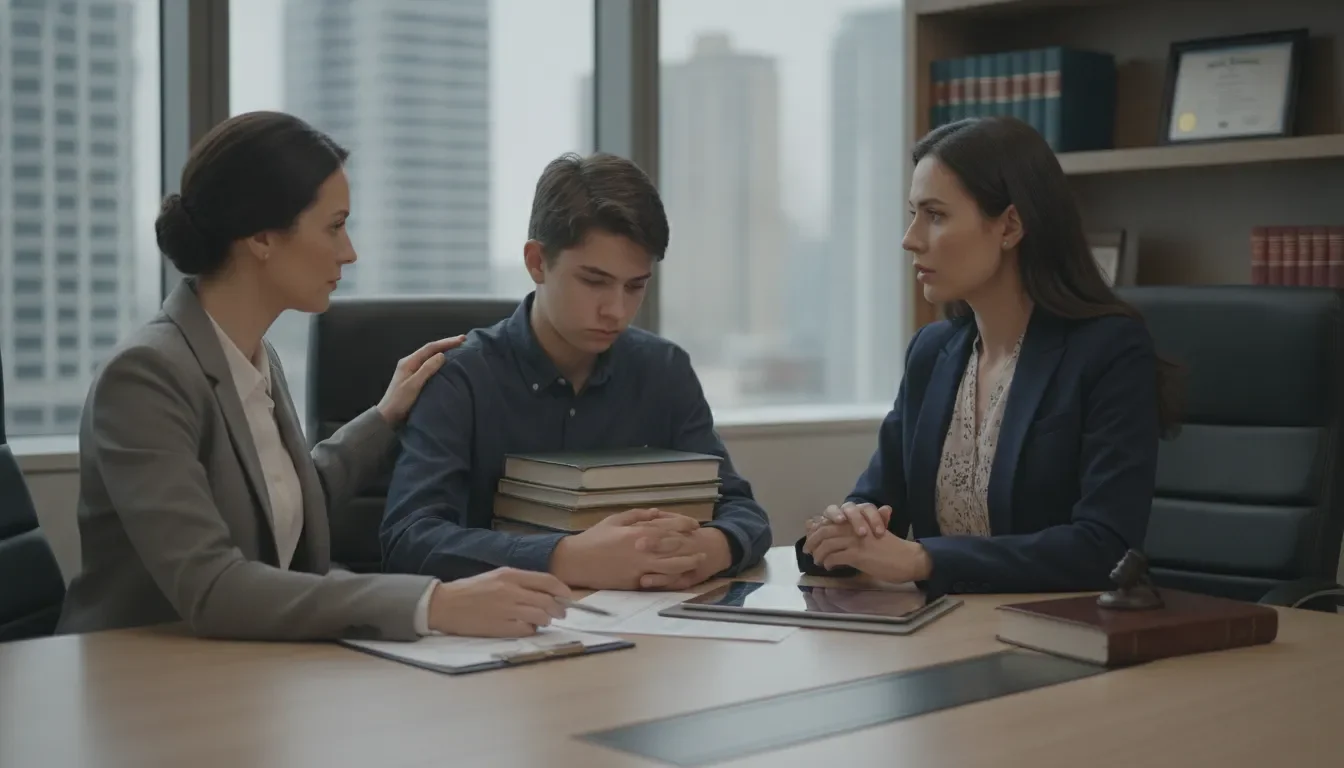
Parents often assume that hiring a juvenile defense lawyer is only necessary after formal charges are filed. Waiting, however, can leave a child answering questions or making decisions without legal guidance. An attorney may be able to help before the first court date by advising your family, protecting your child during questioning, and identifying problems in the investigation. The lawyer can also explain whether diversion, informal supervision, counseling, or other services may be available. Every case depends on its facts, including the child’s age, history, alleged conduct, and support system. Early legal advice gives families time to understand their options and prepare for what comes next.
Key Takeaways
Contact a lawyer promptly: Early advice can help protect your child’s rights during police questioning, school investigations, detention decisions, and court proceedings.
Ask about options beyond formal court: Depending on the facts, diversion, counseling, education, community service, or other rehabilitation-focused solutions may be available.
Prepare for the consultation: Bring court notices, police records, school communications, digital evidence, medical information, and a timeline so the attorney can assess the case clearly.
What Does a Juvenile Defense Lawyer Do?
A juvenile defense lawyer represents a minor accused of breaking the law and protects the child’s rights throughout the juvenile court process. California’s juvenile justice system generally emphasizes rehabilitation and accountability, but a case can still affect a child’s education, family relationships, immigration status, and future opportunities. An attorney helps the court see the child as a whole person, not only as the subject of an accusation.
One of the lawyer’s first responsibilities is explaining the child’s rights to the child and their parent or guardian. These rights may include the right to remain silent, the right to legal representation, and the right to a fair hearing. The California Courts guide to juvenile delinquency proceedings provides general information, but a lawyer can explain how the rules may apply to the facts of a specific case.
A juvenile defense attorney also investigates what happened. This work may include reviewing police reports, interviewing witnesses, examining video or digital evidence, and identifying inconsistencies in the allegations. The lawyer may challenge evidence if law enforcement conducted an unlawful search, violated the child’s rights, or failed to follow required procedures. Careful investigation can reveal important facts that are not clear from the initial report.
Depending on the circumstances, the attorney may negotiate for an alternative to formal court proceedings. Options can include diversion, counseling, community-based programs, informal supervision, or other services centered on rehabilitation. If the case moves forward, the lawyer represents the child at hearings, presents relevant evidence, and works to limit the possible consequences.
A lawyer can also help the family understand what may happen to the child’s juvenile record after the case ends. Some records may qualify for sealing, but eligibility depends on factors such as the outcome of the case and the child’s history. Jenica Leonard Legal offers legal services for families seeking personalized guidance in juvenile justice matters. Speaking with an attorney early gives your family time to understand its options before making important decisions.
When Should Families Contact One?
Families should contact a juvenile defense lawyer as soon as they learn that their child may be accused of a crime, questioned by police, or investigated by school officials. Early legal advice can influence what happens next. A lawyer may help protect the child during questioning, identify concerns with the investigation, and advocate for the case to remain in juvenile court if adult-court prosecution is being considered.
Do not wait for formal charges or a scheduled court date. Contact a lawyer if your child:
Receives a police call, citation, or notice to appear in court
Is asked to meet with school administrators or a school resource officer about an alleged offense
Has been arrested, detained, or questioned by law enforcement
Is accused of assault, theft, vandalism, drug activity, or another offense
May face school removal, probation, detention, or transfer to adult court
Has missed a court appearance or is unsure whether an existing case is still pending
Juvenile cases involve rules and protections that differ from adult criminal cases. A child may not understand the consequences of answering questions, signing documents, or agreeing to a proposed resolution. Before your child discusses an alleged offense with police or school officials, ask a lawyer for case-specific guidance. Families can also review the California Courts’ information on juvenile delinquency to learn more about the general process.
Early legal support may also help identify circumstances connected to the alleged behavior. Learning needs, mental health concerns, substance use, family instability, and school challenges can all provide important context. Understanding those issues may help the lawyer develop a defense and pursue counseling, education, treatment, or other rehabilitation-focused options when appropriate.
Before the consultation, gather medical, school, and police records, along with notices, messages, and paperwork related to the incident. Share information openly, including details that may feel difficult or embarrassing. Complete information helps the lawyer give more useful advice and prepare for the next step. Families can contact Jenica Leonard Legal to discuss their concerns and request a consultation.
How the Juvenile Justice Process Works
California’s juvenile justice system is separate from the adult criminal court system. It generally considers the child’s age, circumstances, safety, needs, and potential for rehabilitation, not only the alleged offense. The process can still move quickly, and early decisions may affect detention, school, probation, and the final outcome. The California courts’ overview of juvenile delinquency cases explains how these proceedings differ from adult criminal cases.
From arrest to the first hearing
A case may begin with an arrest, citation, or referral to the county probation department. Officials may release the child to a parent or guardian, recommend diversion, or request detention based on factors such as the allegations, safety concerns, and available supervision.
If the child remains detained, the court holds a detention hearing promptly. The judge decides whether continued detention is necessary while the case proceeds. A juvenile defense lawyer can present information about the child’s home, school, health, and support system that may favor release.
The prosecutor may then file a petition alleging that the child committed an offense. At later hearings, the court may address release conditions, the allegations, and whether the case should proceed. Children have the right to legal representation, and juvenile adjudications are generally decided by a judge rather than a jury.
Disposition, diversion, and possible adult prosecution
If the court finds the allegations true, it holds a disposition hearing. Possible outcomes may include probation, counseling, community service, educational programs, substance use treatment, job training, or other services tailored to the child’s needs. In some cases, diversion allows a child to complete specific requirements without a formal court finding.
Most cases remain in juvenile court, where records may receive special protection. However, certain serious allegations involving older minors can create the possibility of prosecution in adult court. Families can contact Jenica Leonard Legal early to discuss the allegations, upcoming hearings, and legal options.
How a Juvenile Defense Lawyer Protects a Child’s Rights and Future
A juvenile case can affect much more than the outcome of a court hearing. It may influence a child’s education, relationships, emotional well-being, and future opportunities. A juvenile defense lawyer helps protect the child’s rights from the first contact with law enforcement through each stage of the case.
The lawyer can review the allegations, examine how evidence was collected, identify procedural concerns, and explain the available legal options in language the child and family can understand. They can also help prevent a child from making statements or decisions without understanding the possible consequences.
Families should not assume that legal representation is unnecessary because juvenile court differs from adult court. As juvenile defense guidance explains, a lawyer can play an important role in protecting a young person’s interests. Early advice may also help the family avoid mistakes that could make the case more difficult.
Advocating for fair treatment
The juvenile justice system generally places greater emphasis on rehabilitation and education than punishment. A lawyer can use that focus to advocate for a response that addresses the alleged conduct while supporting the child’s development. Depending on the circumstances, the lawyer may challenge the allegations, negotiate with the prosecutor, or present information about the child’s school history, family support, and personal circumstances.
A lawyer may also seek alternatives to detention, including counseling, probation, community service, educational programs, or diversion. These options are not guaranteed. Eligibility may depend on the allegations, the child’s prior history, and the court’s requirements. Still, presenting a practical plan can help the court consider services that promote accountability without unnecessary detention. Information about juvenile defense outcomes includes several rehabilitation-focused options families may discuss with counsel.
Protecting long-term opportunities
A juvenile defense lawyer looks beyond the immediate hearing and considers how the case could affect the child later. They can explain potential consequences involving school, employment, driving privileges, immigration status, and future legal matters. When appropriate, the lawyer may also discuss whether the child could qualify to seal a juvenile record or pursue another remedy that limits the case’s lasting effect.
Every case is different, so families should avoid making assumptions about what will happen or which options are available. At Jenica Leonard Legal, families can request personalized guidance about juvenile justice matters. Speaking with a lawyer early gives the family time to understand the allegations, protect the child’s rights, and make informed decisions about the next step.
Which Rehabilitation-Focused Alternatives Can a Lawyer Pursue?
Juvenile courts may consider rehabilitation, education, and accountability alongside the allegations. Depending on the child’s age, the nature of the case, prior history, and local court practices, a lawyer may ask for an alternative to formal court processing or seek a less restrictive outcome.
Diversion and informal supervision
Diversion programs can give eligible young people an opportunity to address the conduct without proceeding through the traditional court process. Requirements may include counseling, educational classes, community service, restorative justice, or other services tailored to the child’s circumstances. Successful completion may lead to the matter being closed, reduced, or dismissed, depending on the program and the case.
California law allows certain young people to receive services through informal supervision under Welfare and Institutions Code section 654. Families can review the California Courts’ overview of juvenile delinquency cases for general information about how these matters may proceed. Eligibility and conditions vary, so a lawyer should evaluate the specific facts before recommending this path.
Services that address underlying concerns
A lawyer may also negotiate for services that respond to the circumstances behind the allegation, including:
Individual or family counseling
Substance use assessment and treatment
Educational workshops
School attendance support
Job training
Community service
Restorative justice meetings
Probation with reasonable conditions
These options are not automatic. Some programs require the child to acknowledge responsibility, follow strict rules, or complete services within a set period. An attorney can explain each condition, identify potential consequences, and ask that the requirements remain appropriate for the child’s age, needs, and situation.
Reduced charges and record concerns
When diversion is not available, counsel may still seek reduced allegations, informal resolution, dismissal, or a disposition focused on rehabilitation rather than confinement. The attorney may present information about the child’s school history, treatment progress, family support, or willingness to participate in services.
Record concerns also deserve careful attention. Depending on the outcome and applicable California law, families may have options for sealing or otherwise limiting access to juvenile records. A lawyer can explain which protections may apply and when action is appropriate. Families can contact Jenica Leonard Legal to discuss their child’s circumstances and potential legal options.
How Can Families Choose the Right Juvenile Defense Lawyer?
Choosing a juvenile defense lawyer is an important decision. A legal case can affect your child’s education, relationships, record, and future opportunities, so families should look for an attorney who understands both the legal and personal stakes. Start by confirming that the lawyer regularly handles juvenile cases and can explain how youth proceedings differ from adult criminal matters.
During an initial consultation, ask how the attorney would approach your child’s situation, what information they need to review, and which outcomes may be possible. The lawyer should explain the allegations, court process, potential consequences, and available options in clear language. You should also receive straightforward information about fees, billing practices, communication, and who will represent your child at court hearings.
It is equally important to choose a lawyer who listens to your child without judgment. Your child’s account, concerns, and goals may provide important context for the defense. A respectful attorney can help your family make informed decisions while protecting confidential information.
California families may want to contact Jenica Leonard Legal to discuss their circumstances and ask about a free consultation. Before the meeting, gather relevant notices, police paperwork, school communications, court documents, and a timeline of events. Do not encourage your child to discuss the case with others or post about it online. Instead, share questions and documents with the lawyer so they can provide advice based on the specific facts.
Evaluate Experience, California Knowledge, Communication, Availability, and Reviews
Experience should be one of the first factors you assess. Ask whether the attorney regularly represents young people, understands California juvenile law, and has experience with the local court system. Procedures and available programs can vary, so California knowledge matters. Review an attorney’s juvenile experience and understanding of the juvenile justice system.
Communication and availability matter throughout the case. Look for a lawyer who answers questions clearly, responds within a reasonable time, and explains what happens next. Reviews and testimonials can offer insight into how an attorney works with families, but they should support, not replace, a personal consultation. Pay attention to whether the lawyer seems prepared, respectful, and attentive to your child’s needs. You can learn more about the firm’s legal services through Jenica Leonard Legal.
What Does a Juvenile Defense Lawyer Cost?
The cost of hiring a juvenile defense lawyer in California depends on the facts of the case. A minor status offense, such as truancy or a curfew violation, may cost less to defend than a serious felony allegation. As a general estimate, juvenile defense fees may range from about $3,000 for minor offenses to more than $15,000 for serious felony charges, based on commonly cited ranges for juvenile attorney costs.
These figures are estimates, not fixed prices. The total fee may depend on the charge, the lawyer’s experience, the number of hearings, whether the case goes to trial, and the amount of investigation involved. A case involving several witnesses, disputed evidence, school records, or a possible probation violation may require more legal work than a straightforward matter.
How Juvenile Lawyers Charge for Their Services
Many attorneys bill by the hour, while others offer a flat fee for a specific stage of the case. A lawyer may also request a retainer, which is an advance payment applied to future legal work. Before hiring an attorney, ask for a clear explanation of the fee structure and what it covers. Questions to ask include:
Are court appearances included?
Does the fee cover investigation and motions?
What happens if the case goes to trial?
Are expert witnesses or additional records billed separately?
Is a payment plan available?
Ask how the firm bills juvenile cases. Having these details in writing can help your family plan for legal expenses and avoid unexpected charges.
If private representation is not financially possible, your child may qualify for a public defender, depending on your family’s circumstances and the court’s procedures. A consultation can help you understand the available options before you make a decision.
The initial cost of legal representation may also help prevent larger financial consequences later. For example, effective defense of a traffic citation may help protect a young person’s driving record and limit possible increases in auto insurance. More importantly, careful representation can address consequences involving school, employment, professional licensing, immigration, or future court matters. To discuss your child’s circumstances and potential representation, contact Jenica Leonard Legal to request a consultation.
What Misconceptions Do Families Have About Juvenile Defense Lawyers?
When a child faces a juvenile case, families may make decisions based on fear, incomplete information, or assumptions about how the process works. Learning what a juvenile defense lawyer actually does can help you respond thoughtfully and protect your child’s interests from the start.
Myth: My child does not need a lawyer
Some families assume a minor allegation will resolve quickly, especially if their child cooperates with law enforcement. However, a juvenile case can affect school, probation, family relationships, and future opportunities. Believing a lawyer is unnecessary is one of the most damaging misconceptions families may have.
A lawyer can explain the allegations, protect your child during questioning, review the evidence, and identify possible outcomes. Speaking with an attorney early also gives your family time to understand the process before making important decisions.
Myth: All juvenile defense lawyers provide the same services
Attorneys differ in their experience, communication style, knowledge of California juvenile law, and approach to hearings and negotiations. A lawyer who regularly handles juvenile matters may know how to present a child’s circumstances, address family or school concerns, and pursue rehabilitation-focused solutions. Defense lawyers are not interchangeable.
When comparing attorneys, ask how often they handle juvenile cases, who will work directly with your family, and how they will explain each stage of the case. You can review Jenica Leonard Legal’s services to learn more about the firm’s legal practice areas.
Myth: Hiring a defense lawyer means my child is guilty
A defense lawyer’s role is not to excuse harmful conduct or determine guilt. The lawyer protects the child’s rights and helps ensure the case is handled fairly, regardless of the accusation. Seeking legal advice does not mean a family is accepting the allegations. It means the child has an advocate who can review the facts and explain available choices. Defense attorneys represent people because everyone deserves legal representation, not because every client is guilty.
Myth: A public defender cannot provide effective representation
Public defenders play an important role and work hard for their clients. Families should not assume, however, that every attorney offers the same availability, communication, or resources. A private lawyer may provide more direct contact and a defense strategy tailored to the child’s circumstances. Discussing both options with a qualified attorney can help your family make an informed decision. Contact Jenica Leonard Legal to ask about a consultation.
How to Prepare for a Free Consultation With Jenica Leonard Legal
A free consultation gives your family time to explain what happened, understand possible legal options, and decide whether Jenica Leonard Legal is a good fit for your child’s case. You do not need to have every answer before the meeting. A few practical steps can help the attorney understand the situation and give you more useful guidance.
Gather relevant records
Collect documents and information connected to the incident, including police reports, citations, court notices, school disciplinary records, suspension letters, medical records, and counseling records. Save relevant text messages, emails, photos, videos, and social media posts. You should also write down witness names and create a basic timeline of what happened.
Do not delete, edit, or alter potentially relevant information. If you are unsure whether something matters, save it and ask the attorney. Gathering school, medical, police, and witness information can help counsel identify important facts and questions during the initial meeting. You can also review the firm’s juvenile justice services before your consultation.
Prepare questions and discuss confidentiality
Write down your questions before the meeting so you do not have to rely on memory. Ask about the attorney’s experience with juvenile cases, possible next steps, communication expectations, and what your child should do or avoid while the case is pending. You can also ask whether diversion, counseling, or other rehabilitation-focused options may be available.
It is also important to ask how confidentiality applies to conversations involving your child and family. The answer may depend on the circumstances and who is communicating with the attorney. Understanding those boundaries can help everyone speak openly. Families should avoid discussing the case with investigators, school officials, or others until they receive legal guidance. Learn more about confidentiality in juvenile defense cases.
Contact the firm promptly
If your child is under investigation, has been arrested, or received a court notice, contact a juvenile defense lawyer promptly. Early legal advice may help your family understand deadlines, protect your child’s rights, and avoid statements or decisions that could complicate the case. Guidance from a juvenile defense lawyer can be especially important when school officials or police have begun asking questions.
When you contact Jenica Leonard Legal, share the basic facts and any upcoming deadlines or court dates. You can request a free consultation through the firm’s contact page and ask what documents to bring, who should attend, and what to expect from the first meeting.
Related Articles
5 Juvenile Crime Myths That Can Cost Your Child
What Should You Look for When Hiring a Private Attorney to Defend a Juvenile Case?
Cost of Juvenile Criminal Attorney in CA
Common Billing Approaches for Juvenile Cases
10 Myths About Criminal Defense Attorneys Debunked
Frequently Asked Questions
What does a juvenile defense lawyer do in California?
A juvenile defense lawyer protects a child’s legal rights, reviews the evidence, communicates with the court and prosecutor, and represents the child at hearings. The attorney may also pursue diversion, counseling, probation alternatives, or other outcomes focused on accountability and rehabilitation.
When should I contact a juvenile defense lawyer?
Contact an attorney as soon as your child is questioned by police or school officials, arrested, investigated, or given a citation or court notice. Early advice can help your family understand deadlines, protect your child during questioning, and avoid decisions that could affect the case.
Can a juvenile case affect my child’s future?
Yes. Depending on the allegations and outcome, a case may affect school, probation, driving privileges, immigration matters, employment, or future legal proceedings. A lawyer can explain the potential effects and whether record sealing or another legal remedy may be available.
Can my child avoid formal juvenile court proceedings?
Possibly. Some cases may qualify for diversion, informal supervision, counseling, restorative justice, educational programs, or community-based services. Eligibility depends on factors such as the allegations, prior history, age, and local requirements. An attorney can assess whether one of these options may fit the circumstances.
What should we bring to a free consultation?
Bring police reports, citations, court notices, school communications, medical or counseling records, and relevant messages, photos, videos, or social media content. A timeline of events and witness information can also help. Families can contact Jenica Leonard Legal to request a consultation and ask what information the firm would like to review.
