
Juvenile Defense in the North Bay: Protecting Your Child’s Future
No parent is ever ready for the phone call that says their child has been arrested. In that moment, every fear arrives at once: school, college, a permanent record, even whether your child will be held away from home.
Take a breath: California’s juvenile system is built around rehabilitation, not punishment, and that gives your child real room for a second chance. With the right advocate in their corner, one mistake doesn’t have to define the rest of their life.
Serving Families Across the North Bay
From our home base in Santa Rosa, Jenica Leonard Legal stands with families throughout the North Bay. Whether your child’s case is in Sonoma County juvenile court, across the hills in Napa, down in San Rafael for Marin County, or up the 101 in Ukiah for Mendocino, we know these courtrooms, the people who work in them, and how local cases tend to move. Your child deserves an advocate who knows the terrain, and you deserve someone who will answer the phone when you’re scared.
If your child has been arrested or contacted by police, don’t wait for the detention hearing. Call 707.247.5051 for a confidential consultation, or reach out through our contact form. We’ll help you understand what’s happening and what comes next.

A Trauma-Informed Approach to Defending Young People
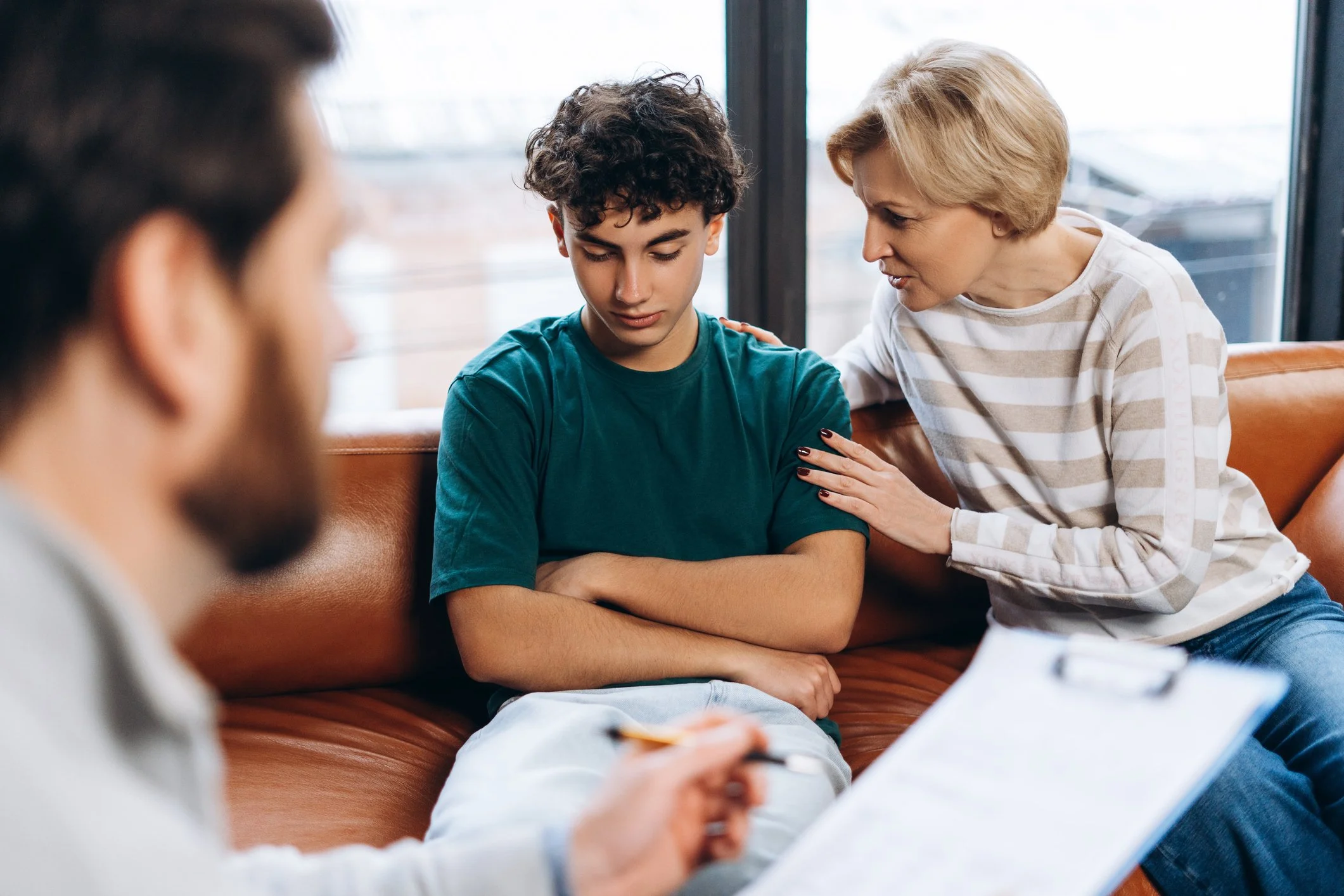
The young person in front of a juvenile court judge is never just the incident on a police report. Many kids who end up in the system are carrying something heavier: trauma, a learning difference, a loss in the family, stress at home or at school. We believe those things aren’t excuses. They’re part of the truth, and the truth belongs in your child’s defense.
How that shows up in your child’s case:
We talk with your child, not at them. Young people shut down when they feel judged or rushed. Jenica takes the time to build trust, so your child feels safe telling the whole story, including the parts that matter most to their defense.
We keep you in the loop. You’ll know what’s happening, what comes next, and what your options are, in plain language. A family that understands the process can support their child through it.
We show the court who your child really is. Through school records, evaluations, family context, and the voices of people who know your child, we give judges and probation officers a complete picture, not a one-dimensional one.
This isn’t about going easy. It’s about winning the right outcome. Juvenile court is built to weigh a young person’s circumstances and potential, and a defense that tells that story clearly and credibly is often what turns a harsh result into a real second chance.
A Former Prosecutor on Your Child’s Side
Before she defended young people, Jenica Leonard worked on the other side of the courtroom as a prosecutor, including several years in the Sonoma County Juvenile Justice Court. She knows how a case looks from the District Attorney’s desk: what makes prosecutors decide to file a petition, what makes them willing to offer diversion or a reduced charge, and where a case is weaker than it first appears.
That insight shapes your child’s defense from day one:
Getting ahead of the filing decision. The earliest stage, before or right after a petition is filed, is often the best chance to steer a case toward informal handling or diversion. Jenica knows what prosecutors and probation need to see to make that call.
Finding the weak points. She knows how cases are built, so she knows where they fall apart: a questionable stop, an unreliable statement, evidence that doesn’t hold up.
Negotiating from strength. Prosecutors take a defense attorney seriously when she understands their process and can’t be bluffed. That leverage matters when your child’s record and future are on the table.
Combined with a trauma-informed approach, it’s a rare pairing: an advocate who understands the system’s logic and never loses sight of the young person at the center of it.
What Happens After Your Child Is Arrested
Juvenile cases move faster than most parents expect, often within days rather than months. Knowing what’s coming can help you take back some control.
1. The arrest and intake.
After an arrest, police may release your child to you, or take them to juvenile hall. A probation officer then reviews the case and decides whether your child can come home, whether the matter can be handled informally, or whether it goes to the District Attorney.
2. The petition.
If the case moves forward, the DA files a petition, juvenile court’s version of criminal charges. If your child is being held, this must happen quickly, generally within two court days.
3. The detention hearing.
If your child is held, a judge decides within about a day of the petition whether they can go home while the case is pending. This is often the first and most urgent fight in a juvenile case.
4. The jurisdiction hearing.
This is juvenile court’s version of a trial. The judge, not a jury, decides whether the allegations are proven. Many cases are resolved by negotiation before this point.
5. The disposition hearing.
\If the petition is sustained, the judge decides what happens next. That can range from probation at home to treatment programs, and in serious cases, time in a county youth facility
Juvenile Cases We HandlE
Theft, burglary, and vandalism
Assault and fighting, including school-based incidents
Weapons charges
Gang allegations
Delinquency Proceedings
Probation violations
Cases where the DA seeks transfer to adult court
Why You Should Call a Lawyer Before the Detention Hearing
The detention hearing can determine whether your child sleeps at home or in juvenile hall for weeks. An attorney who gets involved early can present school records, family support, and a safety plan to persuade the judge to send your child home. Early involvement also opens the door to diversion or informal handling before the case gains momentum.
Keeping Your Child Out of the System: Diversion, Informal Probation & Alternatives
Here’s something many parents don’t know: most juvenile cases don’t end in a formal court finding. California’s juvenile system is designed to give young people a way back, and some of the most important work in a juvenile case happens in steering toward one of those paths.
Diversion and informal handling. In many cases, especially first-time or lower-level offenses, probation can handle the matter without a petition ever being filed. Your child may complete a program, counseling, community service, or a restorative justice process, and the case closes. No court case, no formal finding.
Informal probation. Even after a petition is filed, a judge can place your child on a short period of informal supervision, typically up to six months. If your child completes it successfully, the petition is dismissed.
Deferred entry of judgment. For some first-time felony allegations, a young person may be eligible to admit the allegations in exchange for a period of probation. When they finish successfully, the charges are dismissed and the records are sealed. It’s a second chance written into the law.
Why advocacy makes the difference. None of these outcomes are automatic. Eligibility depends on the allegations, your child’s history, and how the case is presented, often in the first days after an arrest. Jenica knows what prosecutors, probation officers, and judges need to see to say yes. She builds that case early, with school records, family support, and a clear picture of the young person your child is and can become.
One arrest is a moment, not a life sentence. With the right advocate, it can be the turning point toward something better.
-
If you (or your child) has been arrested by the police, booked in to juvenile hall, or been given a citation, it is likely your case will be sent to Probation to determine if you (or your child) is suitable for diversion.
Do not wait until Probation has made a determination, Jenica Leonard Legal has years of experience handling Juvenile Delinquency matters and can assist your family in navigating the process.
Jenica Leonard Legal works with the minor and their family to complete probation successfully and have the record expunged and sealed.
-
Coming soon.
juveniLe justice FAQ’s
-
No. In California, young people 17 and under must speak with an attorney before police can question them in custody, and that right can’t be waived. Even outside of custody, anything your child says can be used in a juvenile case. The safest step is for your child to politely say they want a lawyer and stay silent until one is present. If police want to talk to your child, call us first.
-
Not in the way most parents fear. In California, a juvenile court finding is not a criminal conviction. However, juvenile cases still create records that can affect school, employment, and immigration, and in some serious cases they can carry consequences into adulthood. The goal of a strong defense is to resolve the case in a way that limits that record, or avoids one entirely through diversion or informal handling.
-
Only in limited circumstances. Prosecutors can no longer file charges directly in adult court. A juvenile court judge must hold a transfer hearing first, and transfer is generally only possible for 16- and 17-year-olds accused of certain serious offenses. The judge must find that the young person cannot be rehabilitated in the juvenile system. These hearings are high-stakes, and they are winnable with a defense that presents the full picture of who your child is.
-
If your child is held in juvenile hall, a judge decides at the detention hearing whether they can go home while the case is pending. It must happen quickly, usually by the next court day after the petition is filed. The judge considers safety, the seriousness of the allegations, and whether your child will return to court. An attorney can present school records, family support, and a supervision plan to help bring your child home.
-
In most cases, yes. California law allows many juvenile records to be sealed, and some are sealed automatically when a young person successfully completes probation or a diversion program. Others require a petition to the court. Once sealed, the case is treated as though it never happened for most purposes. Some serious offenses have restrictions, so it’s worth having an attorney review your child’s specific record.
-
Public defenders are often skilled and dedicated advocates, but many carry very heavy caseloads. A private attorney can get involved before a petition is filed, when there’s still a chance to steer the case toward diversion. A private attorney also has more time to get to know your child, gather records, and keep your family informed at every step. If your child already has a public defender, we’re happy to talk with you about your options.